Tucked into a whispering cedar forest on the northern edge of Kyoto, Aman Kyoto’s Hilltop Villas elevate the city’s poetic calm into a private, boutique reverie. Here, the drama is quiet—the hush of mossy pathways after rain, the faint chime of temple bells drifting up the slope, the glow of shoji-filtered light on hinoki wood. “Boutique bliss” isn’t just a promise; it’s a rhythm: unhurried mornings, tea steam rising in cool mountain air, and evenings that feel designed for contemplation. The setting folds modern minimalism into timeless Japanese craft, creating spaces where every detail—stone, paper, wood, water—breathes intention.
Forest Pavilions, Framed by Silence
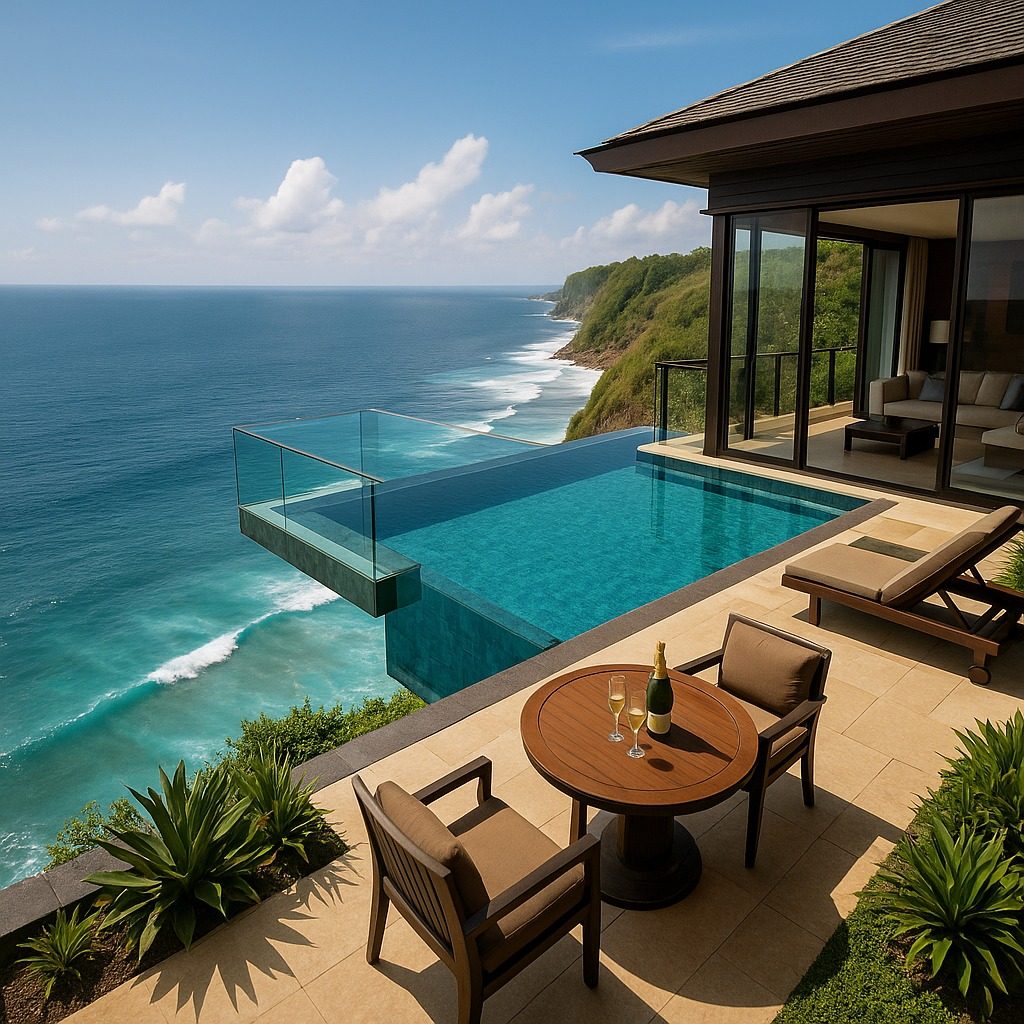
Each Hilltop Villa sits like a discreet pavilion, poised between garden and sky. Tall windows draw the forest in; low, sculptural furniture keeps sightlines clear to the maples and moss below. The palette—charcoal, ink, and soft natural woods—calms the mind on arrival. You’ll notice the absence of noise, the way sound itself seems edited. Step onto the terrace and the hillside’s cool, resinous air carries the scent of cedar and earth. It’s a sanctuary built for two rhythms: daylight exploration and nightfall retreat.
Rituals Within: Bathing, Steam, and Stillness
The bathing experience is a private ceremony. Deep hinoki tubs invite slow immersion; temperature, texture, and scent combine to coax you into presence. Open the window an inch and let forest air meet warm steam for a soft, alpine-luxe contrast. After bathing, the tatami-daybed becomes a place to linger with a book or simply watch the light migrate across the grain of the wood. Minimalist lighting keeps the mood intimate—amber pools that touch surfaces rather than flooding the room.
Kaiseki on the Hill, Tea by the Hearth
Dining feels like a guided walk through the seasons. Expect kaiseki courses that are precise, elegant, and restrained—river fish that tastes of mountain water, vegetables that mirror the garden just outside, a clear broth that feels like silk. Morning breakfasts favor clean flavors and quiet energy, while afternoon tea serves as punctuation: wagashi sweets, aromatic sencha, perhaps matcha whisked with deliberate grace. In-villa dining is an art form—tableware like sculpture; courses arriving with a hush.
Paths to Kyoto’s Soul
From this perch, Kyoto unfolds as a series of soft revelations. Follow stone lanes toward hidden shrines, wander under maple canopies that burn gold in autumn, and return to the villa before the crowds crest the city. The concierge can arrange temple access at contemplative hours, private guides to lesser-known gardens, or meditative walks timed to morning mist. Aman’s transport dissolves distances, but it’s the hillside’s privacy you’ll crave at day’s end—a cocoon above the city’s delicate bustle.
Crafted Comfort, Invisible Service
Service is intuitive, almost telepathic. A cushion appears where you’d naturally pause; tea arrives at the precise moment when conversation quiets. The villa’s amenities echo Japanese craft: hand-glazed ceramics, smooth paper screens, textiles that hold warmth without weight. Technology hides in plain sight—audio, climate, lighting—so the room feels elemental rather than engineered. Boutique bliss, here, is not grand gestures; it’s the choreography of small, perfect ones.
Q&A + Nearby Recommendations
Q: What’s the best season to stay at the Hilltop Villas?
A: Every season rewrites the mood. Spring is a watercolor of blossoms; summer brings deep greens and cool forest shade; autumn is a blaze of crimson maples; winter dusts the stones and cedar with quiet snowfall. If you love color, target late October to mid-November for peak foliage.
Q: Is it suitable for a private celebration or honeymoon?
A: Absolutely. The villas’ seclusion, in-villa dining, and private bathing rituals create a natural stage for proposals, anniversaries, and honeymoons. Staff can arrange florals, candlelit courses, or a guided tea ceremony on request.
Q: What experiences shouldn’t we miss?
A: A dawn temple visit before the city stirs, a guided forest meditation on property, and a seasonal kaiseki dinner. If timing allows, pair an artisan studio tour—indigo dyeing, Kiyomizu pottery, or washi paper—with a tea ceremony afterward.
Q: Any alternative stays in Kyoto with a similar spirit?
A: Consider The Ritz-Carlton, Kyoto (riverside elegance and refined dining), Four Seasons Hotel Kyoto (serene pond garden and airy suites), and Park Hyatt Kyoto (design-forward luxury near historic lanes). For a more traditional ryokan cadence, Gora Kadan in Hakone pairs beautifully with a Kyoto itinerary, while fellow Aman devotees may love Amanemu in Ise-Shima for an onsen-led, coastal counterpart.
Conclusion: The Art of Quiet Extravagance
To stay at Aman Kyoto’s Hilltop Villas is to claim a private chapter of the city’s poetry. You trade spectacle for subtlety, speed for ceremony, and noise for a rarified hush. The hillside’s design, service, and seasonal cuisine conspire to give you something rare: space that feels deeply yours, in a city beloved by the world. This is boutique bliss distilled—an exclusive, slow-breathing experience where Kyoto’s spirit meets the art of living well.